Legacy System Modernization
For established businesses digitizing manual operations
Turning spreadsheets, paper processes, and outdated internal tools into working software — the unglamorous digitization work that actually moves the needle for operations-heavy businesses.
This is the least glamorous work I do, and often the highest-impact. Businesses running on spreadsheets, WhatsApp coordination, or a decade-old internal tool don't need a flashy rebuild — they need someone to sit with how the operation actually runs today and turn that into software that fits it, not the other way around.
What's Included
Auditing current workflows and systems
Migrating manual processes into software
Refactoring and modernizing existing codebases
Data migration with minimal operational disruption
Is This a Fit?
Good Fit
- Your team relies on spreadsheets, paper, or manual coordination for a core process
- You have an old internal tool that needs a careful rebuild, not a rewrite from scratch
- Operational continuity during the transition matters more than speed
Not a Fit
- You're building something greenfield with no existing process to migrate
- You want a full rip-and-replace with no regard for what's already working
Related Work
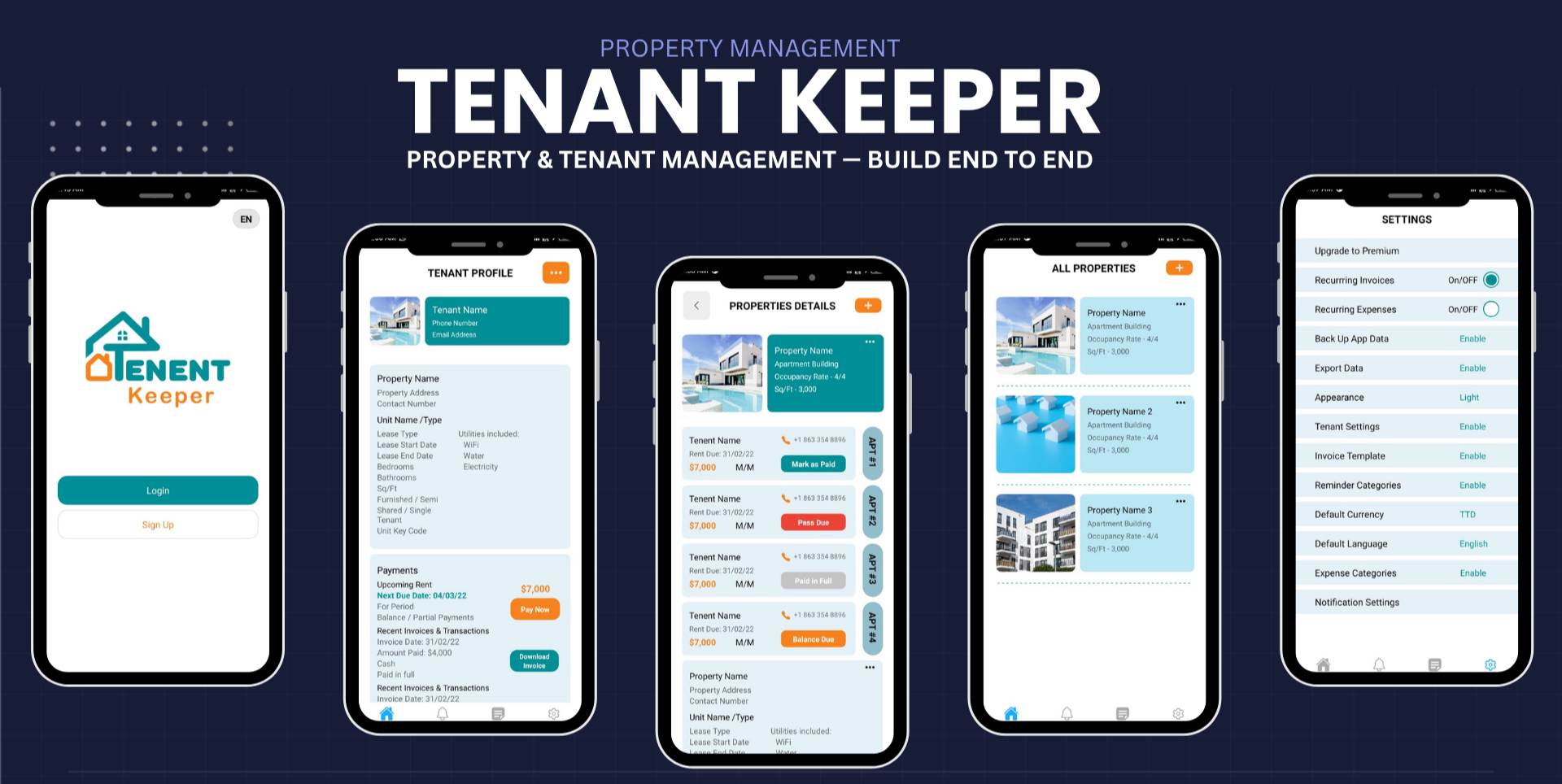
Engagement Options
Fixed-Scope Project
Defined deliverable, defined timeline
We agree on scope, timeline, and cost upfront based on a discovery call. Best when you already know what you need built.
Good for: MVPs, new features, defined migrations
Ongoing Contract
Continuous development capacity
I work as an extension of your team on a recurring basis — new features, fixes, and iteration as priorities shift.
Good for: products already live, growing roadmaps
Retainer
Recurring technical capacity
A recurring block of time for ongoing development, technical improvements, or SEO work — without re-scoping a new project every time something comes up.
Good for: products already live, ongoing SEO work, growing roadmaps
Common Questions
What if my team doesn't fully understand our own process yet?
That's more common than not. Part of the audit phase is mapping the process with the people who actually do it day to day — the software design usually surfaces gaps in the process itself, which is valuable on its own.
How do you avoid disrupting operations during the transition?
Usually with a phased rollout — running the new system alongside the old one for a period, migrating data carefully, and getting sign-off from the people using it daily before the old process is retired.
Think This Is the Right Fit?
Book a discovery call and we'll figure out the scope, timeline, and engagement model together.